
Progress Against
the 2030 Targets
Tracking our collective journey towards a circular economy for plastics in Kenya. The Roadmap establishes four strategic targets driving systemic change across the entire plastics value chain.
About the Roadmap
The Kenya Plastics Pact Roadmap to 2030 is a strategic plan developed by and for members of the Pact, with assistance from the Secretariat at Sustainable Inclusive Business (SIB-K) under the Kenya Private Sector Alliance (KEPSA). Published in August 2022, the Roadmap reflects the whole plastics value chain and outlines the outcomes and activities needed to shift from a linear to a circular system.
Currently, only 8% of plastic is recycled in Kenya, with the remainder being landfilled, incinerated, or ending up in the environment. The Pact brings together businesses, government, NGOs, and the informal waste sector to collectively address this challenge through four ambitious targets.
As part of the Ellen MacArthur Foundation's global Plastics Pact Network, the Kenya Plastics Pact leverages international best practices while adapting solutions to Kenya's unique context, including the critical role of the informal recycling sector and the evolving Extended Producer Responsibility (EPR) regulatory framework.
Quick Facts
Key Outcomes
Key Achievements
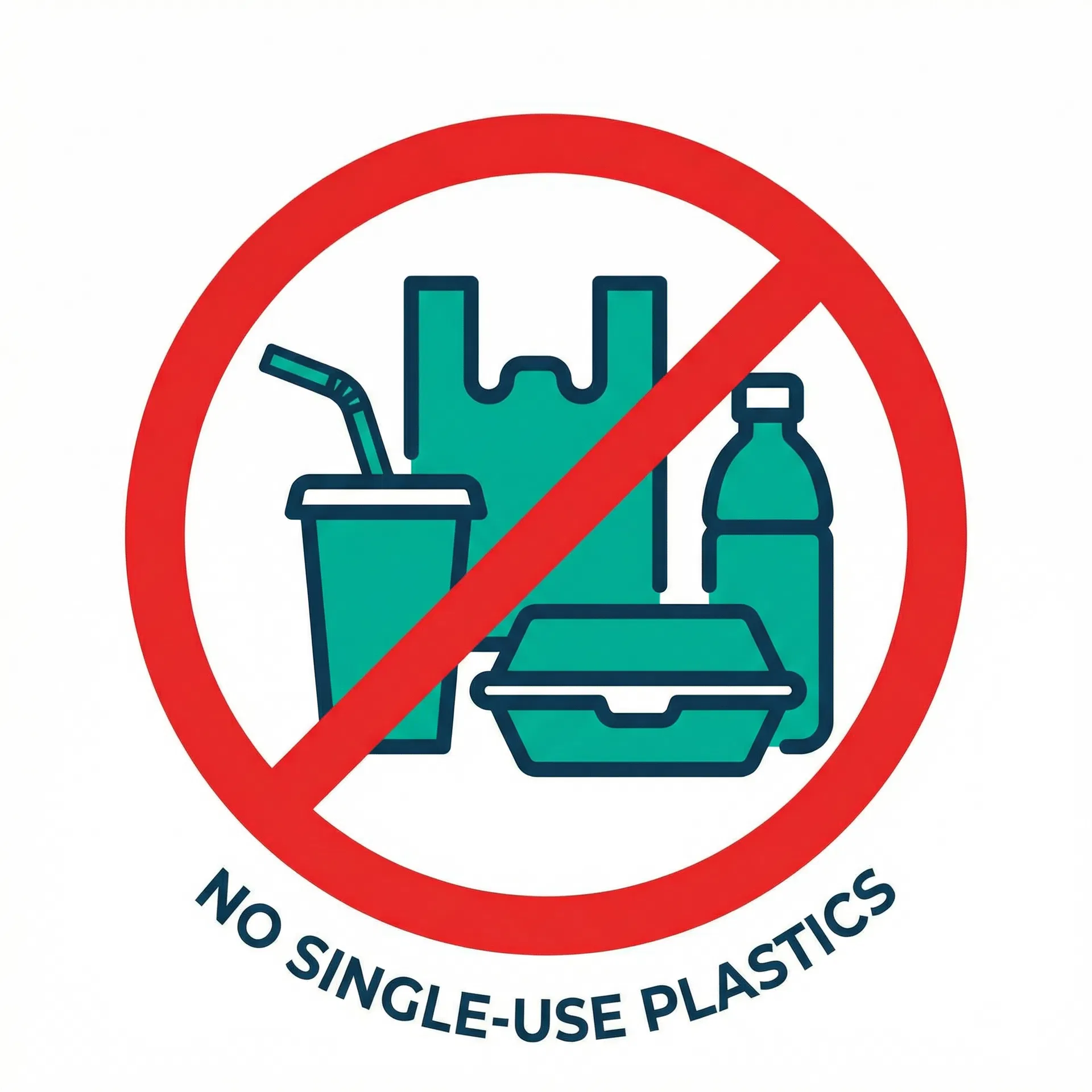
Development and publication of the Priority List of Elimination, identifying problematic and unnecessary plastic items to be phased out in Kenya.
📄 Download Priority ListBusiness engagement to phase out unnecessary and problematic plastics through webinars and workshops, mobilising value chain stakeholders.
▶ Watch Workshop RecordingReference of the Priority List in Kenya's submission to the Intergovernmental Negotiating Committee (INC) process on a global plastics treaty.
📄 Read ArticleEngagement with the National Environment Management Authority (NEMA) to support a nationwide ban on additional problematic or unnecessary single-use plastics.
Knowledge transfer on existing SUP bans under Gazette Notices 2356 and 4858, strengthening enforcement and compliance across the sector.
Citizen engagement to promote behaviour change supporting elimination and circular plastic waste management through community outreach.
▶ Watch Campaign VideoStrengthened knowledge management through Circular Economy Conferences and Awards, social media campaigns, and stakeholder forums.
▶ Watch Conference Highlights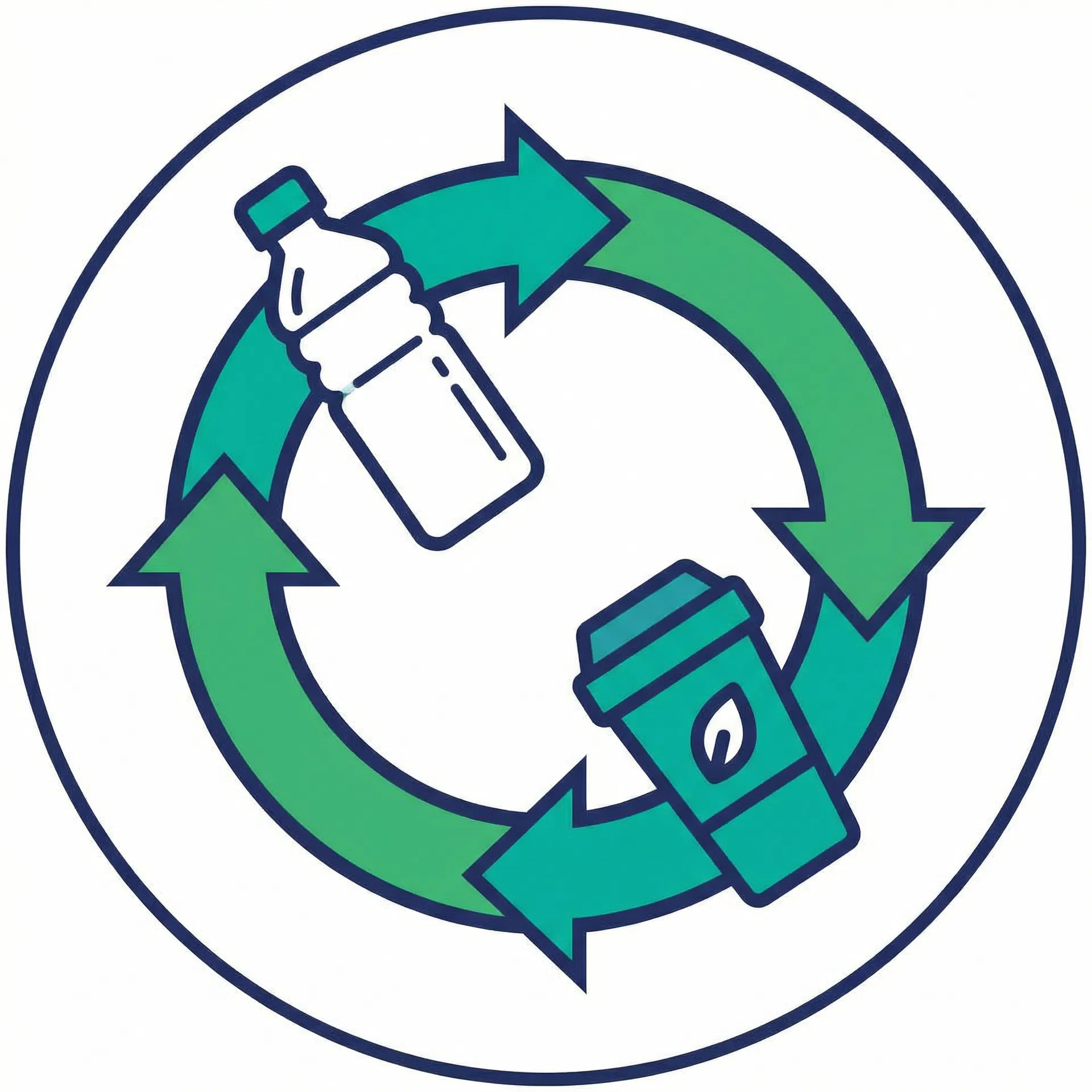
Key Outcomes
Key Achievements
Development and publication of the Gender Mainstreaming Toolkit in Waste Management in Kenya, promoting inclusive practices across the waste sector.
🔗 View ToolkitBrands product redesign innovation challenge — the Let's Be Clear Challenge — encouraging companies to innovate packaging in line with circular design guidelines.
📄 Read About the ChallengeBusiness-to-business linkages to strengthen recyclable packaging markets, connecting producers with recyclers and material suppliers.
Training of Environmental Service Providers in Mombasa, Kwale, and Nairobi, building capacity for sustainable waste management.
Advocacy for inclusion of Informal Waste Reclaimers in EPR implementation, ensuring equitable participation in Extended Producer Responsibility.
📄 Read MoreLaunch of the Kenya Plastic Flower Pact and BinitRight initiatives, driving innovation in reuse and responsible disposal.
Plastic value chain engagements through the Coast Fair for Sustainable Waste Management and two intergenerational forums promoting inclusive circular solutions.
📄 Read Coverage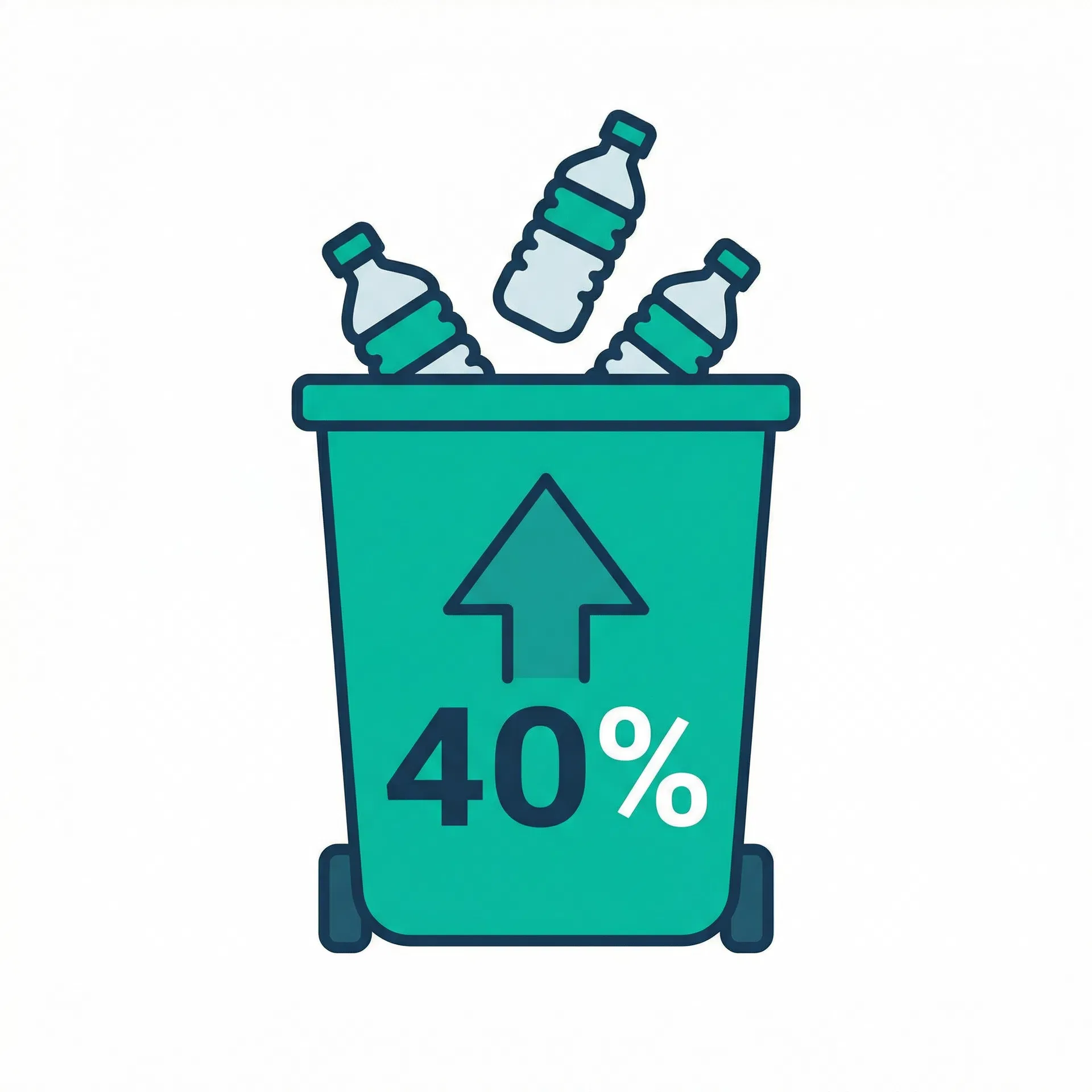
Key Outcomes
Key Achievements
Development of a Market Situation Report to inform recycling strategies, providing data-driven insights into Kenya's plastics recycling landscape.
Strengthening and recognition of the informal recycling sector, which handles the majority of material recovery in Kenya.
Increased investment, infrastructure, and innovation in plastic collection and recycling systems across the country.
📄 Read About InitiativesEnhanced citizen and business participation in source separation and recycling practices through awareness campaigns and community engagement.
Key Outcomes
Key Achievements
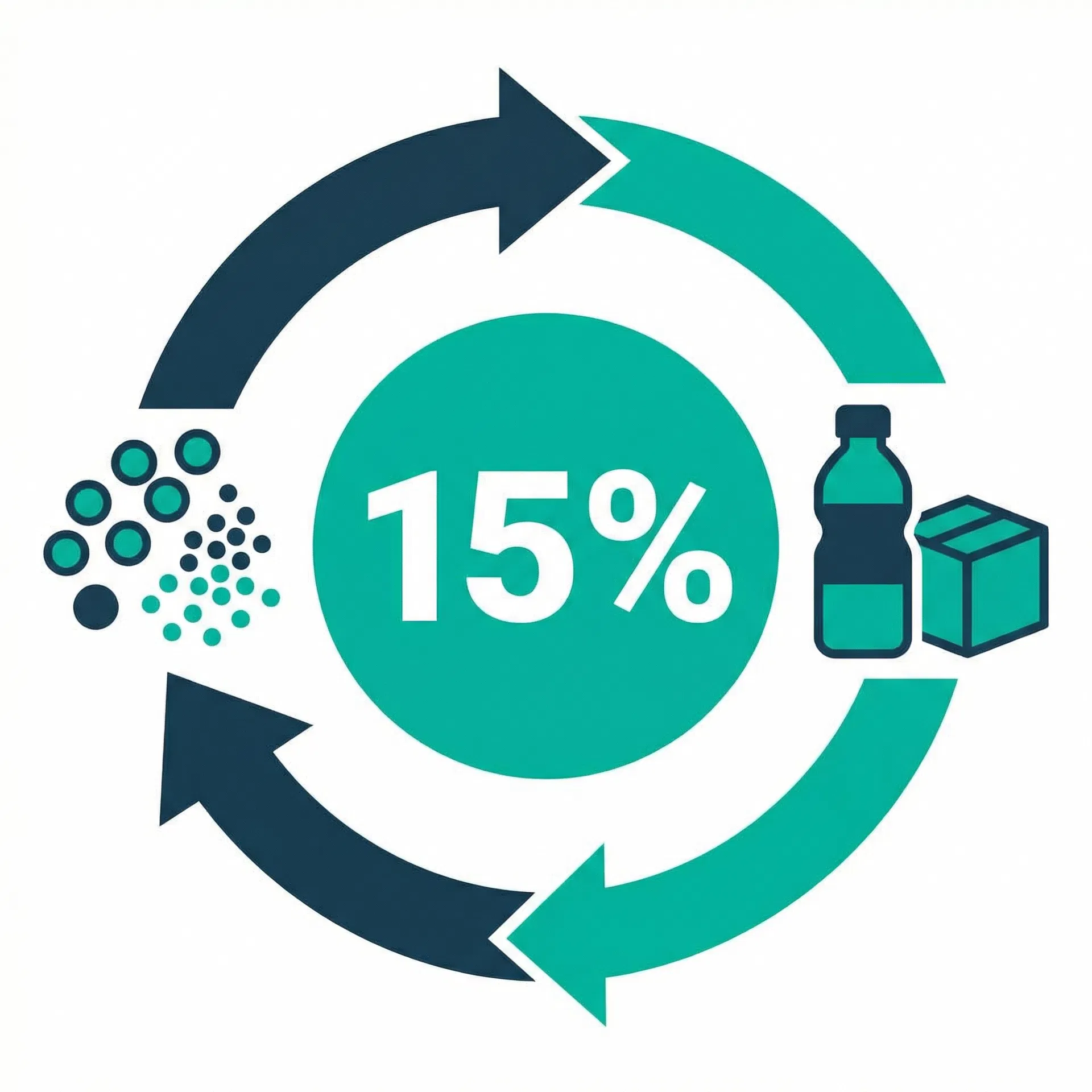
Promotion of recycled content uptake through business engagement forums, connecting brands with recycled material suppliers.
Support for packaging redesign integrating post-consumer recycled materials, helping brands transition to circular packaging solutions.
Strengthened supply of recycled resins through improved collection and recycling systems, increasing availability of quality secondary materials.
Advocacy and market confidence building for secondary materials use, addressing quality concerns and building demand for recycled content.
Join the Movement Towards a Circular Economy
The Kenya Plastics Pact invites businesses, government agencies, NGOs, and citizens to collaborate in achieving these ambitious 2030 targets.